
How to Incorporate Storytelling in Portrait Photography
- Faith Berry
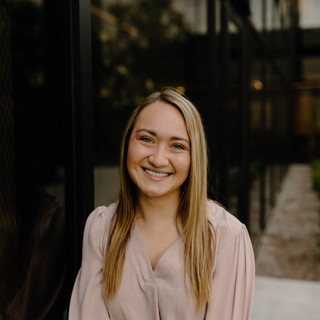
- May 12, 2025
- 3 min read
You all may have heard the quote “A picture paints a thousand words.” It’s true, photography is more than just capturing an image of a person — it’s about telling their story. A well-composed portrait can evoke emotions, highlight personality, and create a connection between the subject and the viewer. To achieve this, incorporating storytelling elements into your photography is key. Let’s walk through how you can do it.
1. Setting the Scene

Every great story needs a setting, and in portrait photography, the background, location, lighting, and subject all play crucial roles in conveying the narrative. Creating an “intentional” background, if you will, helps add depth to the story. Are you going to be shooting in nature or the city? One conveys ambition, while the other can represent peace and reflection. I once got the advice that great portrait photographers use 35mm lens instead of a 50mm, I believe this is because more background and context is added into the photo.
Also, think about the time of day and season you are shooting in. Natural, golden hour light can create a warm and intimate feel. On the other hand, mid-day shooting can be dramatic with more intense shadows. Either isn't bad, it just depends what mood you are going for.
Lastly, of course the subject sets the scene! The whole shoot (location, outfits, poses) should complement their personality, ideally. Props like books for a writer or a musical instrument for a musician can help give more context into who they are.
2. Crafting the Composition
Composition is the foundation of visual storytelling. A well-thought-out composition ensures that every element in the frame contributes to the story. Here are several well-known composition techniques:

Framing: Use natural elements like windows, doorways, or foliage to draw attention to your subject.
Leading Lines: Guide the viewer’s eye through the image by using roads, fences, or architectural elements.
Rule of Thirds: Position your subject along the thirds of the frame to create a visually pleasing balance.
Perspective: Experiment with angles—shooting from above can make the subject look vulnerable, while a low angle can give them a sense of power. Zoom in for an intimate feel or shoot wider to include more of the background. A sequence of images can also help build a deeper narrative.
3. Capturing Emotion: Body Language, Color, & Camera Settings
A range of emotions and messages are communicated through color, posing, and your choice of camera settings throughout the shoot. So what all goes into creating emotional depth in a photo?

Think about prompts that use movement (walking, twirling, or adjusting clothing), which can create a candid feel. Sometimes it’s the most natural interactions or movements that capture genuine expressions. As I mentioned above, the shoot should reflect your subject’s true character, and poses can help bring that out. For example, what prompts would you give to evoke joy between a couple in love?
Never underestimate the creative power you have by adjusting camera settings through aperture (f-stop), ISO, and shutter speed. A low f-stop lets more light in, creating a shallow depth of field (blurry background), while a high f-stop lets in less light resulting in a shallow depth of field (more of the scene in focus). F-stop can isolate the subject or provide more background depending on your goal. Shutter speed can be used to create blurry photos and movement, or crisp focus – each conveying a different message.
Also, utilize color psychology – cool tones (blue, green) evoke calmness or sadness, while warm tones (red, yellow) convey energy and joy. Be intentional about the way you edit colors in a photo, because it can alter the overall tone.
In Conclusion:
Storytelling in portrait photography transforms simple images into meaningful narratives. By carefully setting the scene, crafting the composition, and capturing authentic emotions, you can create photos that truly speak. Next time you pick up your camera, think beyond just taking a photo – tell a story.
Bonus: A great book about photography storytelling is “Read This If You Want to Take Great Photographs of People” by Henry Carroll.


Comments